


Summer heat can feel more intense as you age, and what once felt like a pleasant warm day might now leave you feeling drained or uncomfortable. Your body’s natural cooling system changes over time, making it harder to regulate temperature and stay comfortable during hot weather.
You can stay safe and comfortable all summer long with the right strategies for cooling your body, timing your activities, and recognizing when you need to take action. Simple changes to your daily routine and environment can help you enjoy the season while protecting your health. Communities like Holbrook understand these challenges and provide active adult living environments designed to keep you comfortable year-round.
Key Takeaways
- Your body’s cooling system becomes less effective with age, making heat safety more important
- Indoor cooling strategies include smart air conditioning use, creating cool zones, and wearing breathable clothing
- Timing outdoor activities for early morning or evening hours can help you avoid dangerous heat
- Warning signs like dizziness, rapid heartbeat, or confusion require immediate cooling and medical attention
- Active adult living communities offer climate-controlled spaces and heat-safe activities year-round
Why Summer Heat Affects You Differently as You Age
Your body’s cooling system naturally becomes less effective over time. You might not sweat as much as you used to, and your body may not signal thirst as clearly. This means you can overheat more quickly without realizing it.
Many common medications can make you more sensitive to heat. Blood pressure medications, antihistamines, and some heart medications can affect how your body responds to temperature changes. Water pills can also increase your risk of dehydration during hot weather.
Staying hydrated becomes more challenging because your sense of thirst may not be as strong. Your kidneys also don’t conserve water as effectively, so you lose fluids more easily. These changes mean you need to be more intentional about drinking water throughout the day.
You might be at higher risk if you have heart disease, diabetes, or take multiple medications. People who live alone or have limited mobility also face increased risk during heat waves. National Institute on Aging research shows that understanding these changes can help you prepare for safer summers.
Simple Ways to Keep Your Body Cool Indoors
You don’t need to run your air conditioning at freezing temperatures to stay comfortable. Setting your thermostat to 78-80 degrees can provide relief while keeping energy costs manageable. Close blinds and curtains during the hottest part of the day to block out heat.
Create cool zones in your home using fans strategically. Place a bowl of ice in front of a fan for an instant air conditioner effect. Ceiling fans can make a room feel up to 4 degrees cooler by moving air around your skin.
Cool showers or baths provide immediate relief when you’re feeling overheated. Even running cool water over your wrists and ankles can help lower your body temperature quickly. These areas have blood vessels close to the skin that can cool your whole body.
Cooling Foods and Drinks That Actually Help
Water-rich foods like watermelon, cucumber, and lettuce can help you stay hydrated while providing nutrients. Frozen grapes make a refreshing snack that cools you from the inside out. Cold soups and smoothies also provide hydration without the heaviness of hot meals.
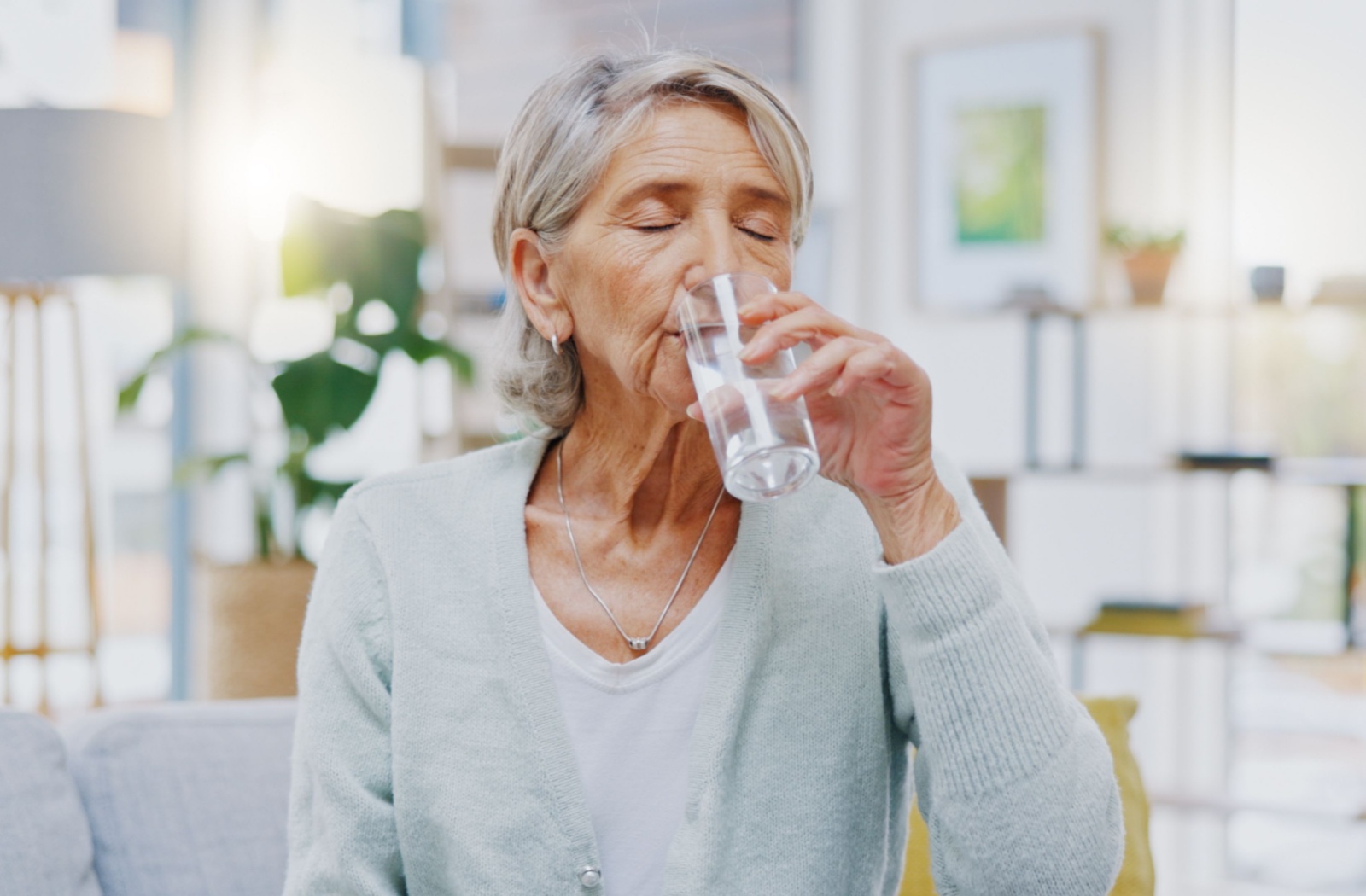
Drink water before you feel thirsty, aiming for about 8 glasses throughout the day. Keep a water bottle nearby as a visual reminder. If plain water feels boring, add slices of lemon, lime, or cucumber for flavor.
Avoid alcohol and too much caffeine when temperatures rise. These drinks can actually increase dehydration and make it harder for your body to stay cool. Sugary drinks can also make you feel more tired in the heat. HelpGuide offers additional strategies for maintaining overall wellness during challenging weather conditions.
Smart Strategies for Going Outside Safely
Plan outdoor activities for early morning or after 6 PM when temperatures are cooler. The sun is strongest between 10 AM and 4 PM, so this is when you’re most likely to overheat. Even a short walk can be more comfortable in the cooler parts of the day.
Seek shade whenever possible and wear a wide-brimmed hat to protect your head and neck. Sunglasses help too, and they reduce glare that can cause headaches in bright conditions. Look for covered walkways, awnings, or trees when you’re out and about.
Lightweight, loose-fitting clothing in light colors helps your body breathe and reflects heat away from your skin. Natural fabrics like cotton work better than synthetic materials. A damp bandana around your neck can provide cooling relief during outdoor activities.
Schedule errands and appointments for cooler times of day when possible. If you go out during peak heat, take breaks in air-conditioned spaces like stores or libraries. Keep your car cool by parking in shade and using sunshades on windows.
Warning Signs Your Body Needs Immediate Cooling
Early symptoms include feeling dizzy, tired, or having a headache. You might notice your heart beating faster than usual or feel nauseous. These signs mean your body is working hard to stay cool and needs help right away.
Call for help if you or someone else stops sweating despite the heat, becomes confused, or has skin that feels hot and dry. A body temperature over 103 degrees, vomiting, or fainting are emergency situations that need immediate medical attention.
Quick cooling actions include moving to a cool space immediately, removing excess clothing, and applying cool water to your skin. Ice packs on your neck, armpits, and groin can help lower body temperature quickly while waiting for medical help. CDC guidelines provide comprehensive safety information for older adults during extreme heat events.
How Active Adult Living Communities Help You Beat the Heat
Climate-controlled spaces in retirement communities keep you comfortable no matter how hot it gets outside. You can enjoy social activities, dining, and exercise without worrying about temperature extremes. Indoor walking tracks and fitness centers let you stay active safely.
Group activities shift indoors during the hottest parts of summer, so you can stay social and engaged. Book clubs, art classes, and game groups provide entertainment in cool, comfortable spaces. You’re never stuck at home feeling isolated because of the weather.
Pool programs and water-based fitness options like HydroWorx therapy at Holbrook provide refreshing ways to exercise. Water activities are naturally cooling while still helping you stay strong and mobile. The pool area becomes a gathering place where you can socialize while staying cool. Spa services also offer cooling treatments and relaxation in temperature-controlled environments.
Our dining experiences mean you don’t have to cook in a hot kitchen during summer heat waves. Restaurant-style meals in air-conditioned dining rooms keep you nourished without the extra heat of cooking. Fresh, seasonal menus often include cooling foods that help you stay comfortable. Professional dining options create comfortable meal experiences regardless of outdoor temperatures.
Summer Activities at Holbrook Woodstock
Indoor clubs and programs continue year-round in comfortable, climate-controlled spaces. Creative activities, educational seminars, and social gatherings happen in cool environments where you can focus on enjoying yourself rather than the temperature outside.
Early morning and evening outdoor options take advantage of cooler temperatures. Sunrise walks, evening social hours on patios, and outdoor dining happen when the weather is most pleasant. You can still enjoy fresh air and outdoor spaces safely.
Cool spaces for relaxation include libraries, lounges, and quiet areas where you can read, chat with friends, or simply relax. These comfortable spaces give you options throughout the day, no matter how hot it gets outside.
