


Osteoporosis can make everyday movement feel less predictable. Activities that once felt simple like walking longer distances, lifting groceries, or maintaining balance on uneven ground, may suddenly require more care and attention. For many older adults, that shift can create uncertainty about how to stay active safely.
At the same time, regular movement remains one of the most important ways to support bone strength, mobility, and long-term wellness. The right exercises can help improve stability, maintain muscle strength, and support daily confidence without placing unnecessary strain on the body.
Key Takeaways
- Osteoporosis can affect balance, mobility, posture, and overall movement during everyday activities.
- Safe, consistent exercise may help support bone strength, flexibility, and daily confidence.
- Walking, light resistance training, balance exercises, and low-impact cardio are common exercise options for older adults with osteoporosis.
- Water-based exercise reduces pressure on joints while still supporting movement and muscle engagement.
- Holbrook Acworth’s HydroWorx hydrotherapy pool offers warm-water exercise and underwater treadmill support for lower-impact movement.
- Personalized WellFIT programming helps older adults stay active with routines tailored to their mobility and wellness goals.
How Osteoporosis Affects Your Movement and Activity
Osteoporosis develops when bones gradually lose density and become more fragile over time. This process often happens slowly, and many people do not notice symptoms right away. As bone strength changes, certain movements and activities may begin to feel more difficult or less stable than they once did.
Staying active still plays an important role in supporting mobility and overall wellness. While it may feel tempting to avoid movement altogether, long periods of inactivity can contribute to muscle weakness, balance concerns, and reduced flexibility. Safe, consistent exercise can help older adults maintain strength and feel more confident during everyday activities.
The Everyday Effects of Osteoporosis
Osteoporosis can affect daily routines in different ways depending on a person’s mobility, strength, and overall health. Some changes may feel gradual, while others become more noticeable during routine activities or exercise.
Some of the most common day-to-day challenges of osteoporosis may include:
- Reduced balance and stability
- Increased fear of falling
- Joint stiffness or discomfort
- Muscle weakness after inactivity
- Difficulty lifting or carrying heavier items
- Fatigue during longer periods of movement
- Changes in posture over time
Although these challenges can feel frustrating, staying active with the right support can help improve strength, stability, and comfort over time.
Safe Exercise Options That Support Bone Health
Exercise does not need to feel intense or exhausting to support bone health. In many cases, gentle, consistent movement offers meaningful physical benefits while placing less strain on joints and muscles. The goal is to focus on exercises that encourage stability, flexibility, strength, and confidence during everyday movement.
Walking and Other Weight-Bearing Exercises
Walking remains one of the most approachable forms of exercise for older adults with osteoporosis. It encourages gentle bone engagement while also supporting circulation, endurance, and mobility. Daily walks through indoor corridors, outdoor paths, or nearby neighborhoods can help create a consistent movement routine without overwhelming the body.
Strength Training With Light Resistance
Strength training helps support the muscles surrounding the bones, which can improve stability and reduce physical strain during daily activities. Resistance bands, light hand weights, and controlled bodyweight exercises can all help older adults maintain strength safely. The focus should remain on controlled, intentional movement rather than heavy lifting.
Balance and Stability Exercises
Balance-focused movement becomes especially important for older adults living with osteoporosis. Improving stability may help reduce fall risks while also helping people feel more confident moving through their daily routines. Gentle exercises like tai chi, seated yoga-inspired stretches, and standing balance movements can be just as ideal for strengthening coordination and body awareness.
Low-Impact Cardio for Daily Mobility
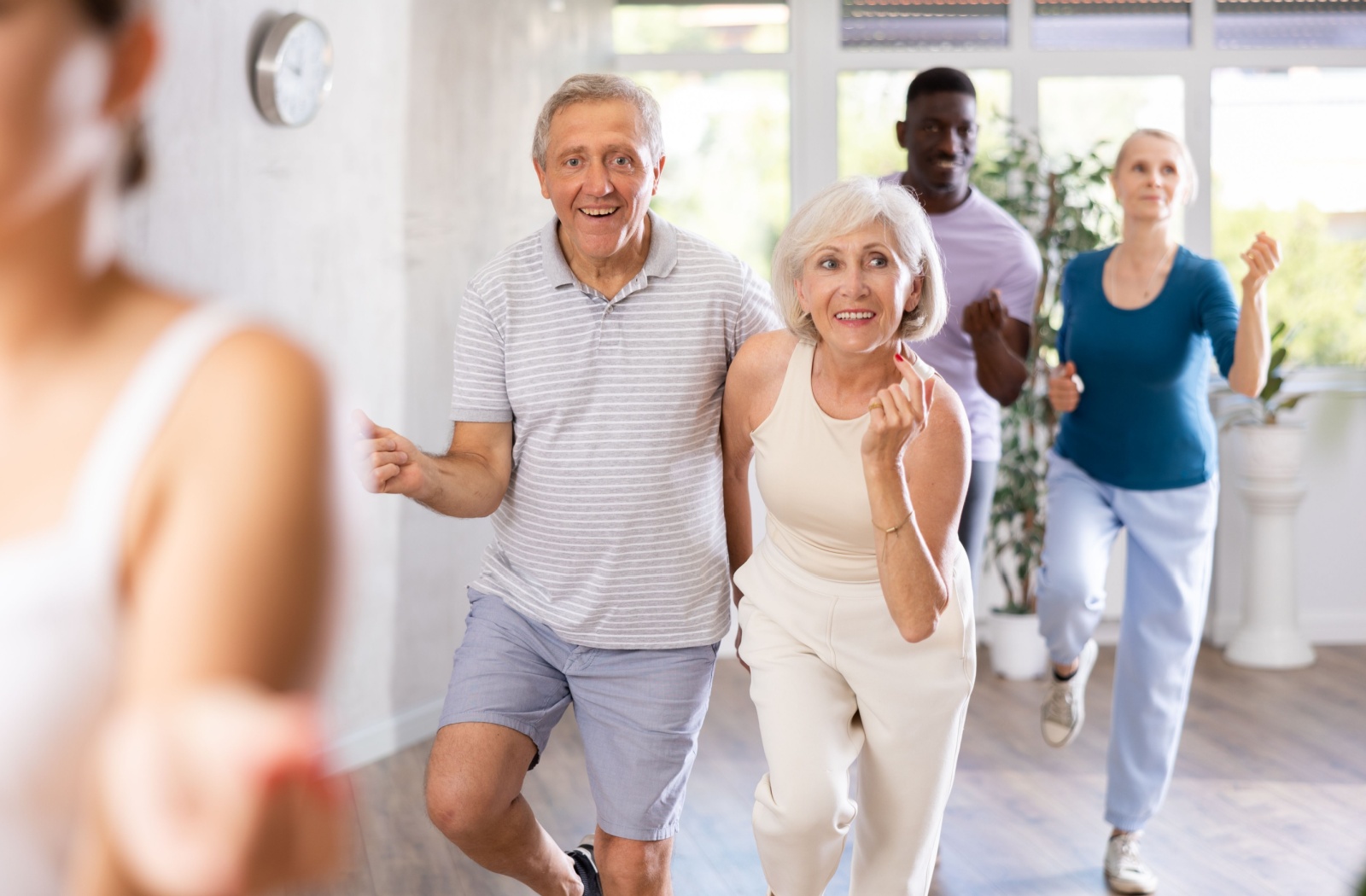
Low-impact cardio exercises can help support heart health, stamina, and overall movement without placing excessive pressure on vulnerable joints. Stationary cycling, elliptical machines, and guided low-impact fitness classes all offer ways to stay active while reducing physical strain.
Water-Based Exercise and HydroWorx Therapy
Water-based exercise can be especially helpful for older adults with osteoporosis because it reduces pressure on joints while still supporting movement and strength-building. The buoyancy of water helps create a lower-impact exercise environment, which may feel more comfortable for people concerned about balance, stiffness, or strain during traditional workouts.
At Holbrook Acworth, our HydroWorx hydrotherapy pool offers a more supportive way to stay active. Features like warm water, adjustable resistance, and underwater treadmill systems allow residents to move more comfortably while supporting mobility, circulation, and stability. Guided hydrotherapy sessions can also help older adults exercise with greater confidence while reducing stress on the body.
Customized Fitness Programs Through WellFIT
Exercise routines work best when they reflect a person’s individual mobility, comfort level, and wellness goals. Older adults with osteoporosis often benefit from a more personalized approach that focuses on consistency, safe movement, and gradual progression rather than intense workouts.
Holbrook Acworth’s WellFIT program provides customized support designed around each resident’s needs and abilities. With wellness opportunities and adaptable exercise routines, residents can stay active in ways that feel supportive, approachable, and sustainable long-term.
Other Ways to Support Stronger Bones
Exercise works best when paired with healthy daily habits that support long-term wellness. Small lifestyle choices can play an important role in supporting bone strength, energy levels, and overall physical comfort.
It also helps to prioritize:
- Eating calcium-rich foods
- Prioritizing vitamin D intake
- Staying socially and physically active
- Maintaining a consistent sleep schedule
- Limiting smoking and excessive alcohol use
- Scheduling regular wellness checkups
- Practicing good posture throughout the day
Over time, small and consistent habits often make the biggest difference when it comes to maintaining strength and supporting healthy aging.
Take the Next Step Toward Active, Supported Living
Living with osteoporosis does not mean giving up an active lifestyle. With the right balance of movement, wellness support, and guided exercise opportunities, older adults can continue prioritizing strength, mobility, and daily confidence. Gentle routines, low-impact fitness, and personalized wellness programs can all help support long-term comfort and independence.
At Holbrook Acworth, we believe wellness should feel supportive, approachable, and personalized to your lifestyle. We have different activities, like our HydroWorx hydrotherapy pool and customized WellFIT programming. Our community offers thoughtful opportunities for older adults looking to stay active safely and comfortably. Book a tour with us today, and come discover what real support looks like.
